
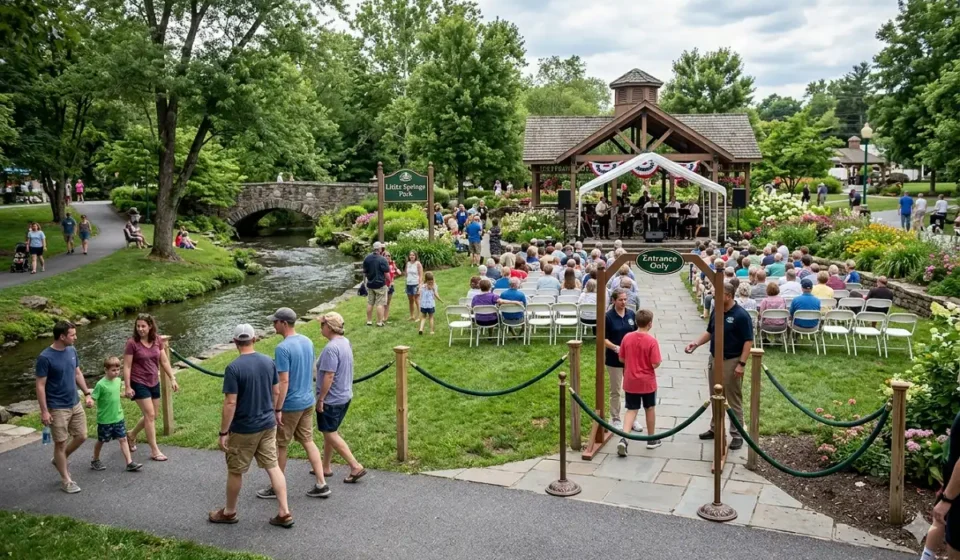
Lititz Springs Park Events Restrictions: Complete Guide to Rules, Permits, and Event Planning in 2026

Before planning any gathering at Lititz Springs Park, it is important to understand the latest restrictions, permit requirements, and visitor rules. According to current park regulations, the park maintains strict guidelines regarding alcohol, commercial activities, photography, event approvals, park usage, and environmental protection. Recent policy updates have also increased scrutiny of large organized events to help preserve the park’s historic landscape and natural environment.
Understanding Lititz Springs Park
Lititz Springs Park has long been recognized as one of Pennsylvania’s most cherished community gathering spaces. Nestled in the heart of Lititz, the park attracts families, tourists, photographers, community organizations, and event planners throughout the year. Its scenic spring-fed stream, mature trees, walking paths, and historic character create a setting that feels both peaceful and vibrant. Visitors frequently choose the park for picnics, small celebrations, seasonal festivals, photography sessions, and community events.
The popularity of the park has created a unique challenge. While thousands of visitors enjoy the space annually, increased traffic can place significant strain on lawns, pathways, landscaping, and natural resources. Park officials must balance public access with preservation efforts. As a result, a detailed framework of event restrictions has evolved over time. These regulations are not designed to discourage visitors. Instead, they ensure the park remains attractive, safe, and environmentally healthy for future generations. Recent park policies emphasize conservation, responsible use, and controlled event management as key priorities.
Why the Park Is So Popular
The appeal of Lititz Springs Park comes from its combination of natural beauty and community significance. The park hosts seasonal traditions, family activities, and recreational opportunities that make it a central part of local life. During spring and summer, visitors enjoy open green spaces and outdoor gatherings. Throughout the year, community celebrations bring people together while showcasing the park’s historical charm.
The Importance of Preservation
Preserving the park requires active management. Heavy foot traffic, event equipment, tents, vehicles, and large crowds can damage soil, compact grass, and affect drainage systems. Protecting these resources has become a major focus of park leadership.
Why Event Restrictions Exist
Many people view event restrictions as obstacles. In reality, they serve several essential purposes. Public parks are shared spaces, meaning one group’s activities can affect everyone else’s experience. Restrictions help create fairness, safety, and sustainability. Without clear rules, overcrowding, littering, noise issues, and environmental damage could quickly diminish the quality of the park.
Safety is one of the primary motivations behind event regulations. Organized events can introduce challenges such as traffic congestion, emergency access concerns, crowd management issues, and equipment hazards. Park authorities review proposed activities to ensure adequate planning is in place. This process helps reduce risks while allowing approved gatherings to proceed smoothly.
Environmental protection is equally important. Lititz Springs Park contains sensitive natural features that require ongoing care. Excessive activity can damage lawns, trees, waterways, and wildlife habitats. By implementing restrictions, park officials can minimize environmental impacts while preserving the park’s beauty. These policies ultimately benefit visitors because they help maintain the conditions that make the park special in the first place.
Protecting Visitors
Event restrictions often focus on crowd control, emergency planning, and maintaining safe access routes. Organizers may need to demonstrate how attendees will enter, exit, park, and move throughout the venue.
Environmental Conservation
Protecting soil, vegetation, water features, and wildlife remains a top priority. Restrictions help prevent long-term ecological damage caused by frequent large-scale gatherings.
Major Event Restrictions at Lititz Springs Park
Recent policies have introduced stricter oversight of organized events. Large public gatherings face increased limitations, and some types of activities require extensive approvals before they can proceed. The park’s management has emphasized a transition toward lower-impact usage models that focus on preservation rather than high-volume event hosting.
Several activities are either restricted or prohibited entirely without authorization. These may include commercial promotions, political activities, amplified events, large vendor operations, and gatherings that create significant environmental or operational impacts. Event planners should never assume approval is automatic simply because a space appears available.
The park also enforces regulations regarding decorations, temporary structures, cleanup responsibilities, and crowd size management. Organizers who fail to comply may face permit denial, event cancellation, or future restrictions on park use. Careful planning and early communication with park authorities are essential for avoiding these problems.
Large Public Event Limitations
Recent reports indicate increased restrictions on large-scale public events due to concerns about environmental wear, soil compaction, and maintenance challenges.
Restricted Activities
Commonly restricted activities may include:
| Activity | Status |
|---|---|
| Alcohol consumption | Prohibited |
| Commercial sales without approval | Restricted |
| Political activities | Restricted |
| Open flames | Generally prohibited |
| Unauthorized amplified events | Restricted |
| Swimming or wading in park waters | Prohibited |
Permit Requirements for Organized Events
One of the most important aspects of planning an event at Lititz Springs Park is understanding permit requirements. Not every gathering requires formal approval. However, organized events involving larger groups, reserved facilities, commercial elements, vendors, amplified sound, or temporary structures often require review by park authorities.
The permit process exists to ensure proposed activities align with park objectives and safety standards. Organizers are typically expected to provide detailed information about attendance, scheduling, equipment usage, parking plans, and cleanup responsibilities. Some events may also require insurance documentation or coordination with local government agencies.
Applying early is highly recommended. Popular dates can fill quickly, and complex events often require additional review time. Waiting until the last minute may result in delays or permit denials. Successful event planners treat the application process as an essential part of preparation rather than an afterthought.
When a Permit Is Required
Permits are commonly required when events involve:
- Large attendance numbers
- Commercial activities
- Vendor participation
- Temporary structures
- Fundraising operations
- Amplified sound systems
- Reserved park facilities
Application Information Needed
Applicants may need to provide event schedules, attendance estimates, setup plans, insurance documentation, and cleanup procedures.
Pavilion and Facility Reservation Rules
Pavilions and designated facilities remain among the most popular areas within the park. These spaces offer convenient locations for family reunions, birthday celebrations, community meetings, and small gatherings. Because demand is high, reservations are often necessary.
Visitors should understand that reserving a pavilion does not grant unrestricted access to the entire park. Other park users continue to share surrounding areas, and organizers must follow all applicable rules and regulations. Respecting other visitors remains an important expectation.
Rental agreements may include specific requirements regarding setup times, cleanup obligations, decorations, and permitted activities. Reading these conditions carefully can prevent misunderstandings and ensure a successful event experience. Early reservations are often the best strategy, particularly during peak seasons.
Reservation Procedures
Contacting park administration in advance is generally necessary for pavilion reservations and organized gatherings.
Rental Considerations
Reservation holders remain responsible for compliance with all park regulations, including cleanup and visitor conduct requirements.
Commercial Activities and Vendor Restrictions
Commercial activities receive special attention under park regulations. Businesses, professional service providers, vendors, and organizations conducting profit-generating activities typically require prior approval. These restrictions help maintain the park’s public character while ensuring commercial operations do not interfere with visitor enjoyment.
Approval processes often include documentation requirements, operational plans, and insurance coverage verification. Park officials may evaluate factors such as location usage, expected attendance, environmental impacts, and liability considerations before granting authorization.
Vendors should never assume they can simply set up operations within the park. Advance coordination is essential. Failure to obtain approval can result in removal from the property or denial of future requests. These policies create a fair and organized framework that protects both visitors and the park itself.
Business Events
Commercial events generally require advance review and authorization.
Insurance Requirements
Approved commercial activities may require liability insurance and additional documentation.
Photography and Media Guidelines
Photography is one of the most common activities at Lititz Springs Park. Families, couples, tourists, and hobbyists frequently choose the park as a backdrop for portraits and special occasions. Fortunately, personal photography is generally permitted during normal park hours.
Commercial photography follows different rules. Professional photographers conducting business operations often require prior approval. This distinction helps park management coordinate usage, avoid scheduling conflicts, and protect reserved facilities. Large commercial productions may face additional requirements depending on their scale and impact.
Photographers should also remain mindful of reserved spaces and other visitors. Respecting privacy and avoiding interference with scheduled activities helps maintain a positive experience for everyone. These guidelines support both creative expression and responsible park management.
Personal Photography
Personal and family photography is generally permitted during park operating hours.
Commercial Photography Rules
Commercial shoots typically require approval before scheduling.
Park Conduct and Visitor Regulations
Every visitor contributes to the overall atmosphere of Lititz Springs Park. Park regulations establish behavioral expectations that promote safety, cleanliness, and respect. These rules apply regardless of whether someone is attending a major event or simply enjoying a casual visit.
Current regulations prohibit alcohol, smoking, disorderly conduct, littering, unauthorized commercial sales, gambling activities, and various other disruptive behaviors. Visitors are also expected to keep pets leashed and follow posted signage throughout the property. These standards help create an environment where families and community members can relax comfortably.
Park hours also play an important role in compliance. Visitors should observe operating schedules and leave the property as required. Respecting regulations not only avoids potential penalties but also supports the long-term success of preservation efforts. A shared commitment to responsible behavior helps ensure the park remains welcoming for everyone.
Prohibited Activities
The park prohibits:
- Alcohol
- Smoking
- Weapons
- Gambling
- Littering
- Unauthorized commercial activity
- Swimming in water features
Safety Expectations
Visitors should respect posted signs, maintain awareness of surroundings, and follow all instructions from park personnel.
How to Successfully Plan an Event
Planning a successful event at Lititz Springs Park requires preparation, flexibility, and attention to detail. Start by identifying the nature and scale of your gathering. Determine whether permits, reservations, or approvals may be necessary. Contact park administration early if questions arise.
Next, develop a realistic event plan. Consider attendance, parking, accessibility, cleanup responsibilities, weather contingencies, and environmental impacts. Organizers who anticipate challenges ahead of time are far more likely to receive approval and host successful events.
Communication remains one of the most valuable tools during the planning process. Staying informed about current regulations, reservation procedures, and operational expectations can prevent costly mistakes. By working collaboratively with park officials and respecting established guidelines, event organizers can create memorable experiences while helping preserve one of Pennsylvania’s most treasured community spaces.
Conclusion
Understanding Lititz Springs Park events restrictions is essential for anyone planning a gathering, photography session, community activity, or organized event. The park’s regulations focus on preserving natural resources, protecting visitors, and maintaining a high-quality public environment. While some restrictions may appear strict, they serve an important purpose by balancing public enjoyment with long-term conservation goals.
Successful event planning starts with research, communication, and compliance. Organizers who understand permit requirements, reservation procedures, commercial activity rules, and visitor expectations can avoid unnecessary complications. By respecting park policies, visitors help ensure that Lititz Springs Park remains a beautiful destination for generations to come.
Frequently Asked Questions
1. Do I need a permit for a small family gathering at Lititz Springs Park?
Small informal gatherings may not require permits, but organized events, pavilion reservations, and activities involving vendors or commercial elements often do. Check with park administration for specific guidance.
2. Is alcohol allowed at events in the park?
No. The park operates as an alcohol-free environment.
3. Can I conduct commercial photography sessions?
Commercial photography generally requires prior approval from park authorities.
4. Are large public events still allowed?
Recent policy updates indicate increased restrictions on large public events due to preservation and environmental concerns.
5. Can vendors operate during private events?
Vendor participation may require advance approval and compliance with applicable park policies.