
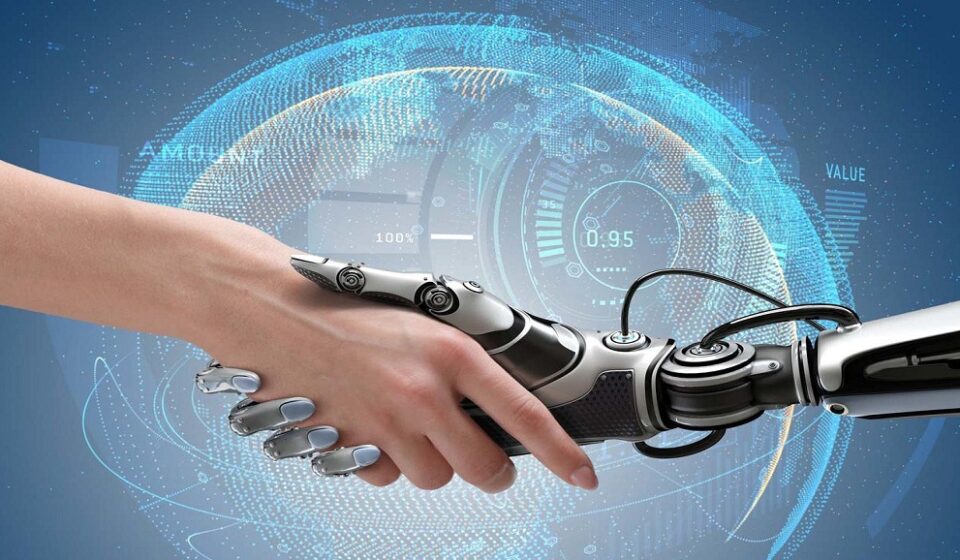

Introduction
Technology has become one of the most powerful forces shaping modern life. From smartphones and artificial intelligence to cloud computing and smart devices, technology influences how people communicate, work, learn, shop, and solve everyday problems. What once seemed like science fiction is now part of daily life.
The rapid development of technology is also changing businesses and industries. Companies use digital tools to improve productivity, understand customers, automate repetitive tasks, and compete in global markets. At the same time, new innovations are creating opportunities while introducing challenges related to privacy, cybersecurity, employment, and responsible use.
Understanding technology is no longer limited to computer experts. Whether you are a student, professional, business owner, or everyday internet user, knowing how technology works and where it is heading can help you make smarter decisions.
What Is Technology?
Technology refers to the tools, systems, techniques, and processes humans create to solve problems and make tasks easier or more efficient. It includes everything from simple machines and household appliances to advanced software, robots, artificial intelligence, and communication networks.
Technology has evolved throughout human history. The invention of the wheel, printing press, electricity, telephone, computer, and internet each changed society in significant ways. Today, digital technology is advancing particularly quickly.
Modern technology is increasingly interconnected. Smartphones can control smart-home devices, cloud platforms allow people to access information from almost anywhere, and artificial intelligence can analyze enormous amounts of data within seconds.
How Technology Is Changing Everyday Life
Technology has made many everyday activities faster and more convenient. People can communicate instantly through messaging applications, attend virtual meetings, order products online, navigate using digital maps, and access entertainment from almost anywhere.
Smartphones and Smart Devices
Smartphones combine communication, photography, navigation, banking, entertainment, and productivity tools in a single device. Smartwatches, televisions, speakers, security cameras, and home appliances are also becoming increasingly connected.
Digital Communication
Email, video calls, social media, and instant messaging have removed many geographical barriers. Families can stay connected across countries, while businesses can collaborate with teams located around the world.
The Role of Technology in Business
Technology has transformed the way companies operate. Businesses now depend on digital platforms for communication, marketing, accounting, customer service, data analysis, and sales.
Cloud technology allows employees to access files and applications without depending entirely on local hardware. Automation can handle repetitive processes, helping employees focus on tasks that require creativity and decision-making.
E-commerce has also changed shopping habits. Small businesses can reach customers beyond their local areas, while consumers can compare products and services quickly.
Artificial Intelligence in Business
Artificial intelligence is becoming an important technology for businesses of all sizes. Companies can use AI for customer support, content analysis, forecasting, fraud detection, recommendation systems, and workflow automation.
However, organizations need to use AI responsibly. Human oversight, accurate data, transparency, and privacy protection remain important when implementing AI systems.
Technology in Education
Education has changed dramatically because of digital technology. Students can access online courses, digital libraries, educational videos, interactive applications, and virtual classrooms.
Teachers can use technology to create multimedia lessons, organize assignments, communicate with students, and track learning progress.
Benefits of Digital Learning
Technology can make education more accessible to people who cannot attend traditional classrooms. Online learning also allows students to study at flexible times and explore subjects from institutions around the world.
However, access to devices and reliable internet remains unequal in many communities. Digital education works best when technology complements effective teaching rather than replacing human interaction entirely.
Technology and Healthcare
Healthcare is another field experiencing major technological change. Electronic health records, medical imaging, wearable devices, telemedicine, and AI-assisted analysis can help healthcare professionals work more efficiently.
Wearable technology can monitor information such as activity, heart rate, and sleep patterns, giving users greater awareness of their daily habits.
Telemedicine can also make healthcare consultations more accessible, particularly for people who live far from medical facilities. Nevertheless, sensitive health information requires strong security and careful handling.
Emerging Technology Trends
The technology landscape continues to evolve rapidly. Several areas are attracting significant attention because of their potential to influence the coming years.
Artificial Intelligence and Machine Learning
AI and machine learning are becoming more capable of analyzing information, recognizing patterns, generating content, and assisting with complex tasks. Their applications range from business software to scientific research and consumer products.
Internet of Things
The Internet of Things, or IoT, connects physical devices to networks so they can collect and exchange information. Smart homes, connected vehicles, industrial sensors, and intelligent infrastructure are examples of IoT technology.
Robotics
Robots are increasingly being used in manufacturing, logistics, research, agriculture, and other industries. As robotics improves, machines may take on more tasks that require precision, repetition, or operation in challenging environments.
The Importance of Cybersecurity
As dependence on technology increases, cybersecurity becomes more important. Cyberattacks can target individuals, businesses, governments, and critical infrastructure.
Common threats include phishing, malware, identity theft, ransomware, and unauthorized access to accounts.
How Users Can Stay Safer
People can improve their digital security by using strong and unique passwords, enabling multi-factor authentication, keeping software updated, avoiding suspicious links, and carefully reviewing requests for personal information.
Businesses should also invest in employee training, security monitoring, backups, access controls, and incident-response plans.
Advantages and Challenges of Technology
Technology offers numerous benefits, including greater productivity, faster communication, improved access to information, automation, innovation, and new economic opportunities.
At the same time, technology creates challenges. Excessive screen use can affect daily routines, automation may change some jobs, misinformation can spread quickly online, and large amounts of personal data can create privacy concerns.
The goal should not be to reject technology but to use it thoughtfully. Digital literacy, ethical standards, strong security practices, and responsible innovation can help society gain more benefits while reducing potential harm.
What Does the Future of Technology Look Like?
The future of technology is likely to be more connected, intelligent, automated, and personalized. AI may become a normal part of software and everyday devices, while robotics and automation could transform workplaces.
Advances in computing, renewable energy, biotechnology, communications, and materials science may also create new possibilities that are difficult to predict today.
One important lesson from technological history is that innovation does not happen in isolation. The most successful technology is usually technology that solves meaningful human problems. Future developments will therefore depend not only on technical capabilities but also on how society chooses to use them.
Conclusion
Technology has moved far beyond being a collection of machines and computers. It is now deeply connected to communication, education, healthcare, business, entertainment, transportation, and everyday life.
From artificial intelligence and cloud computing to smart devices and cybersecurity, technology continues to create new possibilities. At the same time, responsible use is essential because innovation can bring challenges involving privacy, security, employment, and digital inequality.
The future will undoubtedly bring technologies that change how people live and work. By staying informed, developing digital skills, and using technology responsibly, individuals and organizations can make the most of the opportunities ahead.
FAQs About Technology
1. What is technology in simple words?
Technology is the collection of tools, systems, machines, and methods humans create to solve problems, complete tasks, and improve everyday life.
2. Why is technology important?
Technology is important because it can improve communication, productivity, education, healthcare, transportation, entertainment, and access to information.
3. What are the most important technology trends?
Major technology trends include artificial intelligence, machine learning, cloud computing, cybersecurity, robotics, the Internet of Things, and advanced digital communication.
4. How does technology affect education?
Technology provides students and teachers with online courses, digital resources, virtual classrooms, educational applications, and new ways to collaborate and communicate.
5. Is technology good or bad?
Technology itself is neither entirely good nor bad. Its impact depends largely on how it is designed, implemented, and used. Responsible use can maximize benefits while reducing risks.
6. How can people use technology safely?
People can improve technology safety by using strong passwords, enabling multi-factor authentication, updating devices, avoiding suspicious links, protecting personal information, and learning basic cybersecurity practices.
7. How will technology change in the future?
Future technology is likely to become more intelligent, connected, automated, and personalized. Artificial intelligence, robotics, advanced computing, and connected devices are expected to play major roles.