

Key Takeaways
- Dental bridges are highly effective in replacing missing teeth, supporting both function and aesthetics.
- Multiple bridge types exist, each designed for specific dental circumstances.
- Good oral hygiene and regular dental visits lengthen the life of a dental bridge.
Missing teeth impact more than just your appearance—they can affect your speech, bite, and overall oral health. One of the most reliable ways to restore your smile and oral function is with dental bridges. These prosthetic devices offer both practical and cosmetic solutions for those who have lost teeth, allowing you to chew, speak, and smile with confidence.
Dental bridges are a trusted and well-established dental treatment. Whether you need to replace a single tooth or several teeth, modern solutions are designed for both durability and aesthetics. If you are considering your options, understanding the types of dental bridges, associated costs, and care requirements will help you make an informed decision for your long-term oral health.
What Is a Dental Bridge?
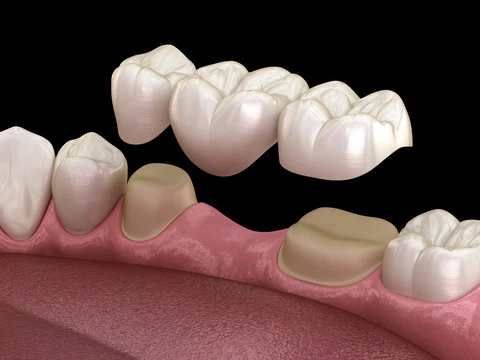
A dental bridge is a custom-made restoration that literally bridges the gap left by one or more missing teeth. The restoration consists of artificial teeth (called pontics), which are held in place by crowns on neighboring natural teeth or dental implants. With a dental bridge, patients can enjoy restored chewing function and maintain their facial shape by preventing neighboring teeth from shifting out of alignment.
Dental bridges also help protect remaining teeth from uneven wear and maintain your bite’s balance. Restoring lost teeth is crucial to preserving the integrity and health of your mouth over the long term.
What Are the Different Types of Dental Bridges?
There are four primary types of dental bridges, each suitable for specific situations:
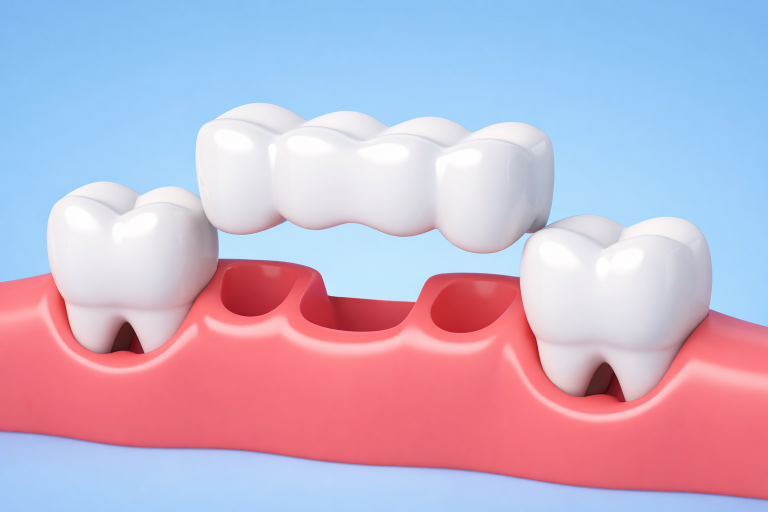
- Traditional Fixed Bridge: This is the most frequently used type, featuring one or more pontics supported by crowns on adjacent natural teeth.
- Cantilever Bridge: Used when only one adjacent tooth is present. This design may be suitable in areas of low biting pressure, such as the front of the mouth.
- Maryland Bridge: Also referred to as a resin-bonded bridge, it involves a metal or porcelain framework bonded to the backs of adjacent teeth. This method requires minimal preparation and is suitable if you want to preserve as much of your natural tooth structure as possible.
- Implant-Supported Bridge: Supported by dental implants rather than natural teeth, these bridges are extremely stable and ideal for patients missing multiple teeth in a row.
To learn more about the pros and cons of each type, consult your dentist and review trusted sources such as the Cleveland Clinic’s guide to dental bridges.
How Long Do Dental Bridges Last?
The longevity of a dental bridge depends on the type, the materials used, and your oral hygiene habits. On average, dental bridges generally last between 5 and 15 years, with some lasting even longer with excellent care. Regular dental checkups and good brushing and flossing techniques will significantly improve the lifespan of your bridge.
How Much Do Dental Bridges Cost?
The cost of a dental bridge is influenced by several factors, including the type of bridge required, the materials chosen, and the dentist’s location. Here’s a standard breakdown of price estimates:
- Traditional or Cantilever Bridge: $2,000 to $5,000 for one pontic with crowns on each abutment tooth.
- Maryland Bridge: $1,500 to $2,500 for one pontic supported by its framework.
- Implant-Supported Bridge: $5,000 to $15,000 for restorations involving two implants and three or four teeth.
Your dentist will provide a detailed estimate based on your specific needs and the number of teeth being replaced.
How Do I Care for a Dental Bridge?
Proper care and maintenance are essential to protect your investment in a dental bridge. Follow these tips to ensure lasting results:
- Brush your teeth at least twice each day with a soft-bristled toothbrush and fluoride toothpaste.
- Floss daily, using specialized floss or a threader to clean underneath the pontic area.
- Keep up with regular dental check-ups and professional cleanings to detect issues early.
- Avoid biting down on hard foods or objects that might damage your bridge or supporting teeth.
Good oral hygiene protects both your bridge and your surrounding natural teeth, contributing to long-term dental health. Additional care tips can also be found in WebMD’s dental bridges resource.
Are There Alternatives to Dental Bridges?
Alternatives to dental bridges do exist. The two main options include:
- Dental Implants: A titanium post is surgically placed in the jawbone, serving as a root for a replacement tooth. Implants tend to last longer than bridges and do not affect neighboring teeth.
- Partial Dentures: These removable appliances can replace one or multiple missing teeth, sitting on top of the gums and using nearby teeth or clasps for support.
Each of these alternatives carries its own set of advantages and potential drawbacks. Discussing these with your dentist will help you select a treatment best suited to your dental and lifestyle needs.
Will My Insurance Cover the Cost of a Dental Bridge?
Coverage for dental bridges depends largely on your insurance provider and individual plan. Most dental insurance plans provide at least partial coverage for bridges, particularly if the procedure is necessary to restore oral function. It is essential to contact your provider in advance to understand what portion will be covered and what you may be responsible for paying out of pocket.
Conclusion
Dental bridges continue to be a proven solution for missing teeth, offering restored function and a confident smile. By understanding your options, costs, and maintenance needs, you can make the best choice for your oral health. Consult with your dental professional to discuss the best possible care tailored to your needs and to ensure a healthy, resilient smile for years to come.