
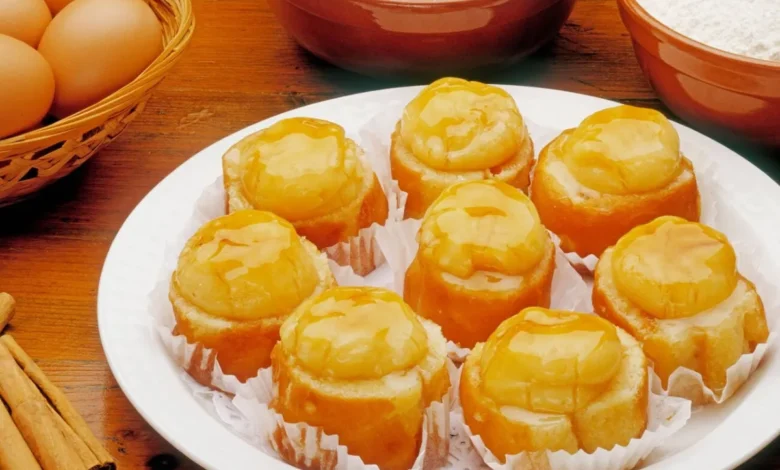

If you have been searching for the best piononos de Santa Fe near me, you are likely looking to experience one of Spain’s most iconic and delicious pastries. Originating in the town of Santa Fe in the province of Granada, Spain, piononos are small, sweet cakes that have earned international recognition for their unique texture, rich flavor, and historical significance. These delicate pastries combine soft sponge cake, creamy custard, and a caramelized topping that creates an unforgettable dessert experience.
As global interest in authentic international desserts continues to grow, more bakeries, Spanish restaurants, and specialty pastry shops are introducing traditional piononos to customers around the world. Whether you are a food enthusiast, a traveler craving a taste of Spain, or someone discovering this dessert for the first time, understanding what makes authentic piononos special can help you find the best options near you.
This comprehensive guide explores the history, ingredients, cultural importance, and practical tips for locating the best piononos de Santa Fe near me while ensuring you enjoy an authentic Spanish pastry experience.
What Are Piononos de Santa Fe?
Piononos de Santa Fe are traditional Spanish pastries that originated in the town of Santa Fe, located near Granada in Andalusia. Unlike larger cakes or pastries, piononos are small cylindrical desserts made from thin sponge cake rolled into a compact shape. The sponge cake is soaked in sweet syrup, filled with rich pastry cream, and topped with toasted cream that is lightly caramelized.
The result is a dessert that offers multiple layers of flavor and texture. The sponge cake remains moist and tender, while the custard filling provides richness and smoothness. The caramelized top adds a subtle crunch and distinctive sweetness that balances the overall flavor profile.
Despite their small size, piononos deliver an incredibly satisfying dessert experience. Their unique appearance and carefully balanced ingredients have helped them become one of Spain’s most recognizable pastries.
The History Behind Piononos de Santa Fe
Understanding the history of piononos helps explain why they remain so highly regarded today. The pastry was created in the nineteenth century by a pastry chef from Santa Fe, Granada. The dessert was named in honor of Pope Pius IX, known as Pío Nono in Spanish.
The cylindrical shape of the pastry is said to symbolize the Pope, while the toasted topping resembles a papal crown. Whether viewed as culinary art or religious tribute, piononos quickly became a beloved local specialty.
Over time, the dessert gained popularity throughout Spain and eventually attracted international attention. Today, visitors to Granada often consider tasting authentic piononos an essential part of their culinary journey. The pastry has become an important symbol of local identity and Spanish pastry craftsmanship.
Why People Search for the Best Piononos de Santa Fe Near Me
The popularity of international desserts has increased significantly in recent years. Consumers are increasingly interested in experiencing authentic regional specialties rather than generic bakery items. This trend has led many people to search for the best piononos de Santa Fe near me.
Travelers who have visited Spain often seek out piononos after returning home because they want to recreate memorable culinary experiences. Others discover the dessert through social media, food blogs, cooking shows, and recommendations from friends.
Spanish expatriates and descendants of Spanish families may also search for authentic piononos as a way to reconnect with cultural traditions. For many people, enjoying traditional pastries provides a meaningful connection to family heritage and cherished memories.
What Makes Authentic Piononos Different?
Not every pastry labeled as a pionono delivers an authentic Santa Fe experience. Traditional piononos rely on specific preparation techniques and ingredient ratios that have been refined over generations.
Authentic piononos feature a light sponge cake that absorbs syrup without becoming soggy. The pastry cream filling should be rich, smooth, and flavorful without overwhelming the delicate cake. The caramelized topping must provide a slight crispness while maintaining a creamy interior.
The size also matters. Traditional piononos are intentionally small, allowing each ingredient to remain balanced. Oversized versions often lose the harmony that makes the original pastry so special.
When searching for the best piononos de Santa Fe near me, authenticity often comes down to attention to detail and respect for traditional methods.
How to Identify High-Quality Piononos
Several characteristics can help you recognize exceptional piononos. First, examine the appearance. A well-made pionono should have a neat cylindrical shape with an evenly caramelized top.
The aroma should feature notes of vanilla, cream, and lightly toasted sugar. Freshness is essential because the pastry’s texture can deteriorate if stored improperly for extended periods.
Texture is another important indicator. The sponge cake should be moist but not overly wet. The custard should feel smooth and creamy rather than dense or gelatinous. Each bite should provide a balanced combination of sweetness, creaminess, and delicate cake texture.
Finally, flavor balance is critical. The best piononos avoid excessive sweetness and instead allow the flavors of cream, caramelization, and sponge cake to work together harmoniously.
Where to Find the Best Piononos de Santa Fe Near You
Finding authentic piononos may require some research depending on your location. Spanish bakeries are often the best place to start. Establishments specializing in Spanish pastries frequently prepare piononos using traditional recipes and techniques.
Spanish restaurants sometimes offer piononos as part of their dessert menu, particularly those focusing on Andalusian cuisine. These restaurants may source pastries directly from specialty bakeries or prepare them in-house.
International bakeries that emphasize European desserts can also be excellent options. Some pastry chefs have trained in Spain and bring authentic methods to their local communities.
Food festivals, cultural events, and Spanish heritage celebrations provide additional opportunities to discover authentic piononos. These events often feature traditional foods prepared by experienced bakers who are passionate about preserving culinary traditions.
The Cultural Significance of Piononos in Spain
Piononos represent more than just a dessert. They are an important part of Andalusian culinary heritage and a source of pride for the town of Santa Fe. Local bakeries continue to preserve traditional recipes while introducing the pastry to new generations of consumers.
Visitors to Granada frequently include piononos in their food itineraries, viewing them as an essential cultural experience. The dessert’s connection to local history, religion, and craftsmanship contributes to its enduring popularity.
In many ways, piononos demonstrate how food can serve as a cultural ambassador. A single pastry tells a story about regional identity, historical influences, and generations of culinary expertise.
As interest in authentic international cuisine grows, piononos continue to introduce people around the world to the rich traditions of Spanish baking.
Can You Make Piononos de Santa Fe at Home?
Yes, although making authentic piononos requires patience and attention to detail. The process involves preparing sponge cake, soaking it in syrup, creating pastry cream, assembling the rolls, and caramelizing the topping.
Home bakers often find the pastry rewarding because it combines several classic pastry techniques. Successfully preparing piononos provides valuable experience in cake baking, custard preparation, and caramelization.
While homemade versions can be delicious, many enthusiasts still seek professional bakeries because experienced pastry chefs have mastered the precise textures and flavors that define authentic piononos.
If you cannot find the best piononos de Santa Fe near me, making them at home can be an enjoyable way to explore Spanish culinary traditions.
Why Piononos Continue to Gain Worldwide Popularity
The growing popularity of piononos reflects broader trends within the food industry. Consumers increasingly value authenticity, craftsmanship, and cultural storytelling. Traditional desserts like piononos satisfy all three preferences.
Social media has also contributed significantly to their popularity. Their distinctive appearance photographs beautifully, making them attractive to food bloggers and influencers. As more people share images and reviews, curiosity about the dessert continues to grow.
Additionally, consumers are becoming more adventurous in their food choices. Rather than limiting themselves to familiar desserts, many people actively seek regional specialties from around the world.
This growing appreciation for authentic culinary experiences ensures that piononos de Santa Fe will likely continue gaining international recognition for years to come.
Conclusion
Searching for the best piononos de Santa Fe near me is about discovering one of Spain’s most treasured pastries. With their moist sponge cake, creamy filling, and caramelized topping, piononos offer a unique dessert experience that reflects generations of Spanish baking tradition.
Whether you find them at a Spanish bakery, an authentic restaurant, a cultural festival, or decide to make them yourself, piononos provide a delicious introduction to Andalusian cuisine and heritage. Their rich history, balanced flavors, and artisanal craftsmanship explain why they continue to captivate dessert lovers around the world.
For anyone passionate about authentic international desserts, piononos de Santa Fe deserve a place at the top of the must-try list.
Frequently Asked Questions
What are piononos de Santa Fe?
Piononos de Santa Fe are traditional Spanish pastries made from rolled sponge cake, pastry cream, syrup, and a caramelized cream topping.
Where did piononos originate?
They originated in Santa Fe, a town near Granada in Andalusia, Spain.
Why are they called piononos?
The pastry was named in honor of Pope Pius IX, known as Pío Nono in Spanish.
What do piononos taste like?
They have a sweet, creamy flavor with notes of vanilla, custard, caramelized sugar, and moist sponge cake.
Are piononos served hot or cold?
They are typically served chilled or at room temperature.
Where can I find authentic piononos near me?
Look for Spanish bakeries, Spanish restaurants, European pastry shops, and cultural food festivals.
Are piononos difficult to make?
They require several pastry techniques but can be made successfully at home with patience and practice.
How long do piononos stay fresh?
They are best enjoyed within one to two days of preparation for optimal texture and flavor.
Are piononos popular outside Spain?
Yes. Their popularity has grown internationally as interest in authentic Spanish desserts continues to increase.
Why are piononos considered special?
Their combination of history, craftsmanship, unique texture, and balanced sweetness makes them one of Spain’s most celebrated pastries.